
“N774: Nigeria’s Pathway to Achieving SDG 2 through Sustainable Nutrition and Agriculture: Abia State in the Spotlight”
Discover how the Federal Government’s N774 initiative is transforming lives across Nigeria, with Abia State as a shining case study. In Abia, the initiative is driving significant progress in reducing hunger and promoting sustainable agriculture, bringing new hope to thousands of citizens.
Introduction: Understanding Sustainable Development Goal 2 – Zero Hunger
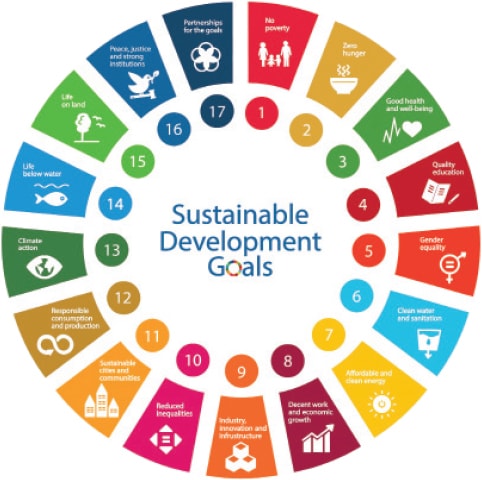
Sustainable Development Goal 2 (SDG 2)—Zero Hunger—is one of the 17 global goals adopted by all United Nations Member States in 2015 as part of the 2030 Agenda for Sustainable Development. The goal aims to end hunger, achieve food security and improved nutrition, and promote sustainable agriculture. At its core, SDG 2 targets multiple dimensions of food and nutrition insecurity, especially in vulnerable populations, while also supporting resilient food systems.
Key targets under SDG 2 include:
- 2.1: End hunger and ensure access to safe, nutritious, and sufficient food all year round.
- 2.2: End all forms of malnutrition, especially among children under 5, adolescent girls, pregnant and lactating women, and the elderly.
- 2.3: Double the agricultural productivity and incomes of small-scale food producers.
- 2.4: Ensure sustainable food production systems and implement resilient agricultural practices.
- 2.5: Maintain genetic diversity in food production and ensure access to land and resources.
Achieving SDG 2 demands integrated policy solutions that connect agriculture, nutrition, health, education, environment, and economics. This is precisely the path Abia State has chosen.
Abia’s Integrated Action for SDG 2
In an era where hunger remains one of the biggest challenges facing developing nations, Abia State is quietly making powerful strides toward achieving SDG 2. While conversations around malnutrition and food insecurity in Nigeria have often focused on rising food prices, shrinking productivity, and lack of access, Abia is shifting the narrative with clear vision, purposeful action, and bold leadership.
At the centre of this transformation is the Nutrition-774 (N-774) Initiative, a Federal Government-backed programme designed to tackle malnutrition across Nigeria’s 774 local government areas. Abia was selected as the pilot state—a testament to its readiness, vision, and existing groundwork in tackling hunger and advancing public health.
But the real story didn’t begin with the N-774 launch. Since taking office, Governor Alex Chioma Otti has prioritized nutrition and human development as cornerstones of his administration’s agenda. Health and education now consume over 35% of the state’s annual budget, reflecting a strong belief that ending hunger isn’t just about distributing food—it’s about strengthening the social foundations that enable families and communities to thrive.
From Malnutrition to Opportunity: A Holistic Governance Model
What sets Abia apart is its whole-of-government, whole-of-society approach. The state does not view hunger as an isolated challenge but as part of a web of interconnected issues—poverty, lack of education, unemployment, and poor agricultural systems.
For example:
- Education: Schools are being equipped not only with better infrastructure but also with nutrition-sensitive programs, including school gardens and health talks.
- Health: Primary healthcare centres are being revitalized to offer basic nutrition support and community outreach.
- Public Service: Prompt payment of salaries empowers parents to feed their families.
- Agriculture: Reviving farming through input support, farmer training, and rural access roads is driving productivity and reducing local food prices.
- Security and Infrastructure: Investments in safety and road networks are creating safer and more efficient agricultural value chains.
These sectors are not operating in silos; they are strategically aligned to reinforce one another, driving a shared vision of Zero Hunger and resilient families.
The N-774 Initiative: A Catalyst for Statewide Nutrition Reform
The N-774 Initiative has become a catalyst for scaling and deepening Abia’s approach to hunger eradication. The initiative calls for grassroots ownership, involving traditional rulers, local government leaders, health workers, and community-based organisations in rolling out localised nutrition solutions.
In Abia, this has led to:
- Establishment of local implementation structures in each LGA.
- Capacity-building workshops for community stakeholders.
- Advocacy and sensitization campaigns on nutrition and child health.
- Cross-sector coordination among the Ministries of Health, Education, Agriculture, and Budget & Planning.
This high level of community engagement is critical—nutrition is now everyone’s business in Abia.
Results Already Taking Shape
Early outcomes are promising:
- Schools are developing nutrition gardens that provide fresh produce for pupils and support learning.
- Smallholder farmers are reporting improved access to markets and input resources.
- More households are aware of basic nutrition and hygiene practices, especially for children under five.
- Rural markets are showing signs of stabilization as agricultural outputs rise and food becomes more accessible.
These shifts, though early, indicate that Abia’s strategy is yielding tangible benefits.
Aligning with Other SDGs
While SDG 2 is the primary focus, Abia’s strategy aligns with several other Sustainable Development Goals:
- SDG 1 – No Poverty: By supporting livelihoods and boosting farmer incomes, Abia is helping families escape poverty.
- SDG 3 – Good Health and Wellbeing: Improved nutrition and healthcare access directly enhance maternal and child health.
- SDG 4 – Quality Education: Better-nourished children perform better in school; nutrition education also promotes lifelong wellbeing.
- SDG 5 – Gender Equality: Women-led farmer cooperatives and nutrition groups are empowered through targeted interventions.
- SDG 8 – Decent Work and Economic Growth: Youth are being encouraged into agriculture, turning farming into a viable business.
- SDG 13 – Climate Action: Sustainable farming methods are being promoted to protect the environment and enhance resilience.
Conclusion: A Model Worth Emulating
Abia’s commitment to Zero Hunger is more than just policy—it is a movement grounded in inclusive governance, local innovation, and people-centered development. By connecting nutrition to larger economic and social reforms, Abia is offering a blueprint for sustainable progress not only in Nigeria but across Africa.
The journey is far from over, but one thing is clear: Zero Hunger is achievable—and Abia State is proving it every day.
Stay connected with our blog for more stories of impact, transformation, and leadership across the world.